Research


Direct alcohol fuel cells are energy conversion devices that enable high power output with high efficiency. They are based on the controlled reaction between a liquid alcohol (methanol, ethanol, isopropanol) and oxygen. In the specific case of using ethanol (DEFC), its use becomes advantageous when bioethanol produced from residual biomass is used as a sustainable fuel source. Designing catalysts capable of completely oxidizing an alcohol to CO2 remains a challenge to this day.
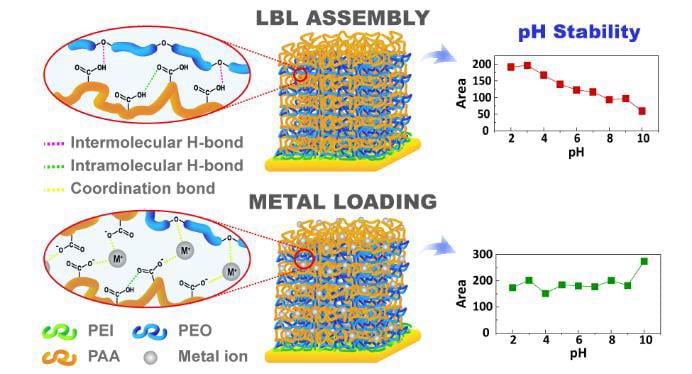
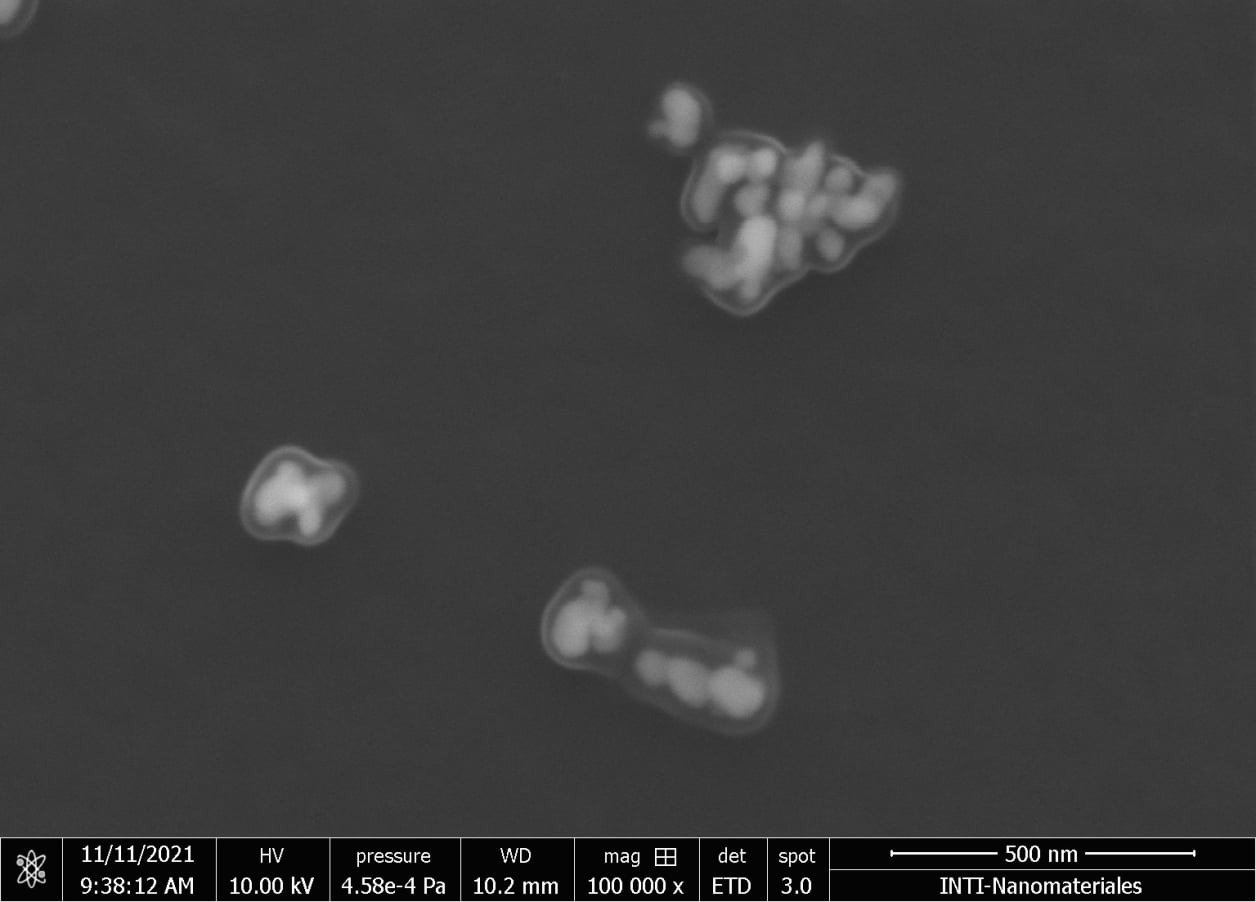
We work on the design of catalysts by modifying electrode surfaces with metal nanoparticles embedded in polymers. We vary the size, shape, spatial arrangement, and composition of the nanoparticles to understand the influence of these factors on the performance of the catalyst.

Redox flow batteries are electrochemical energy storage systems in which the electroactive species are in a liquid state (unlike other batteries, such as Li-ion batteries, in which the redox species are solid). The redox fluids can therefore be stored in external tanks, which decouples the battery’s electrochemical capacity from the cell size.
Our group develops electroactive polyelectrolytes (charged polymers) for use in redox fluids. We synthesize various types of polyelectrolytes, seeking to maximize their performance in the battery. We build flow batteries by combining these materials with cells manufactured using 3D printing.
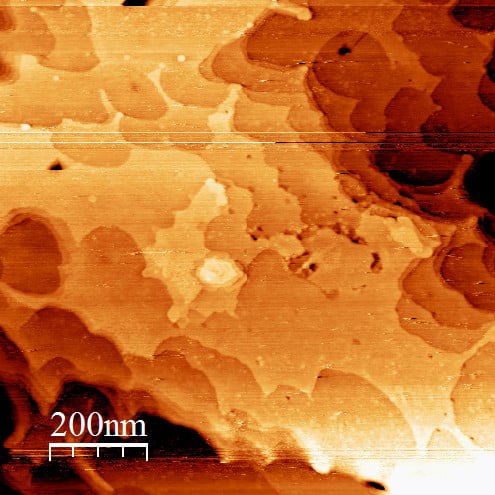
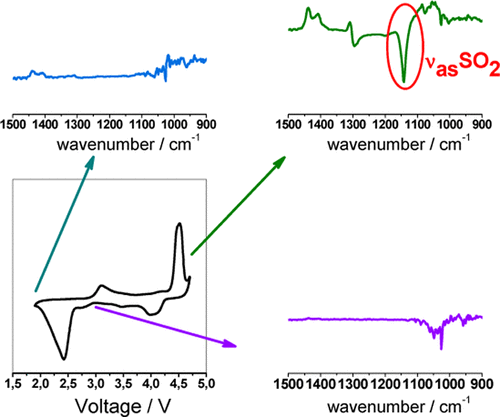
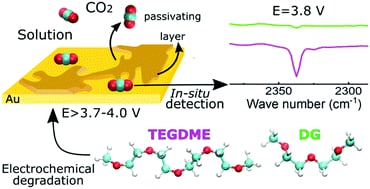
Among the various next-generation lithium-based energy storage technologies, Li-O₂ batteries show great promise, as they have a very high theoretical specific capacity compared to the current standard (lithium-ion). However, Li-O₂ batteries present several challenges related to electrode reactions. In particular, the direct reaction between metallic lithium (anode) and trace amounts of water dissolved in the electrolyte, coupled with the formation of lithium dendrites during successive charge and discharge cycles, are two of the main causes of premature battery degradation. In addition to this, the Li₂O₂ oxidation reaction that occurs at the cathode during battery charging has a very high overpotential, which causes nonspecific oxidation of the solvent. Finally, also at the cathode, singlet oxygen (1O₂, a product of the dismutation reaction of the superoxide anion intermediate) is constantly formed throughout the charge and discharge cycles; this can react with the surrounding organic solvent to form undesirable reaction products that ultimately passivate the electrode. At SIM-G, we aim to address all these issues through the development of gelled electrolytes containing: 1) polymers (to provide the gel structure), 2) polar aprotic organic solvent (as a liquid plasticizer), 3) lithium salts (to facilitate charge transport), 4) physical 1O₂ scavengers (to protect the electrolyte), and 5) redox mediators (to lower the charging overpotential and protect both the electrolyte and the 1O₂ scavenger). In this way, this electrolyte acts as a barrier against water contamination (anode protection), increases the lithium ion transfer rate (protection against lithium dendrite formation), and functions as a solvent shield by protecting the cathode/electrolyte interface. These materials are obtained using various methods, such as physical and chemical gelation.
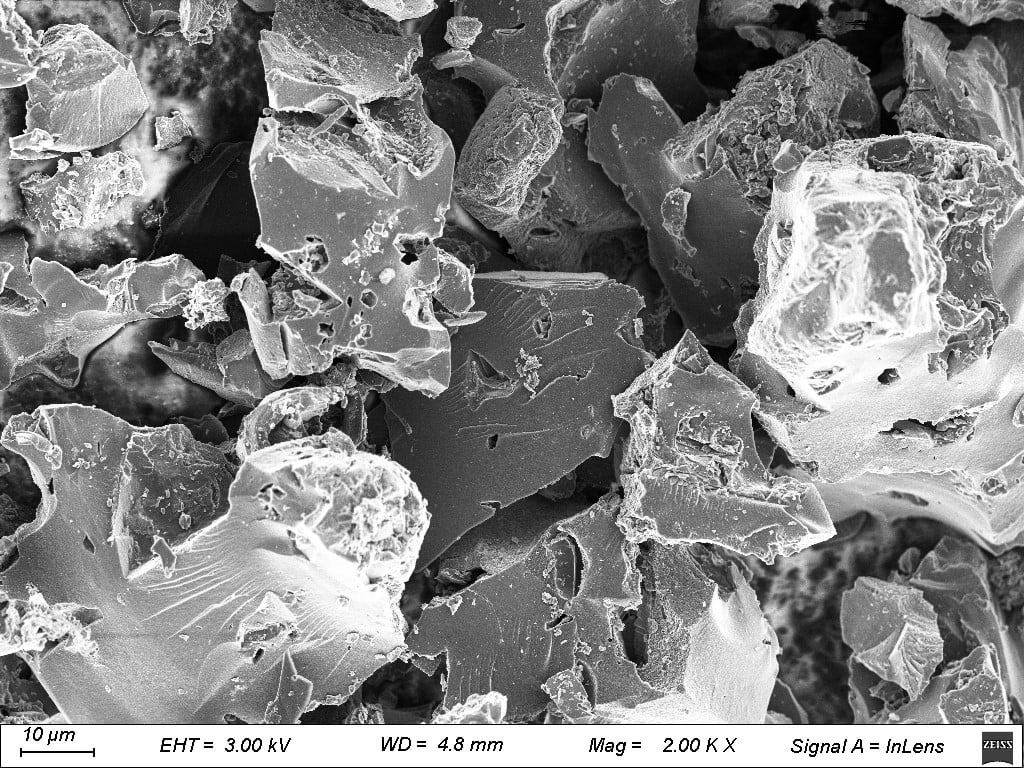
Both batteries and supercapacitors are energy storage devices that rely on electrochemical processes. However, their charge storage mechanisms differ, leading to different energy densities. The basic differences between supercapacitors and batteries lie in their different charge storage mechanisms and the materials and structures of their electrodes. Generally, batteries and fuel cells are designed to provide high energy density, storing a large amount of charge in electrodes through faradaic reactions, while supercapacitors can provide high power density due to surface charge storage mechanisms. Pseudocapacitive materials store charge through redox reactions similar to batteries, but at fast rates comparable to those of electrochemical double-layer capacitors, exhibiting an electrochemical response similar to that of a capacitor.
We synthesize carbons with meso- and micro-scale porosity, useful in supercapacitors. We extensively characterize these materials and study their electrochemical behavior to optimize their synthesis. Additionally, we surface-modify these materials with substances having redox functionalities, in order to develop materials that can be used to prepare pseudocapacitors.

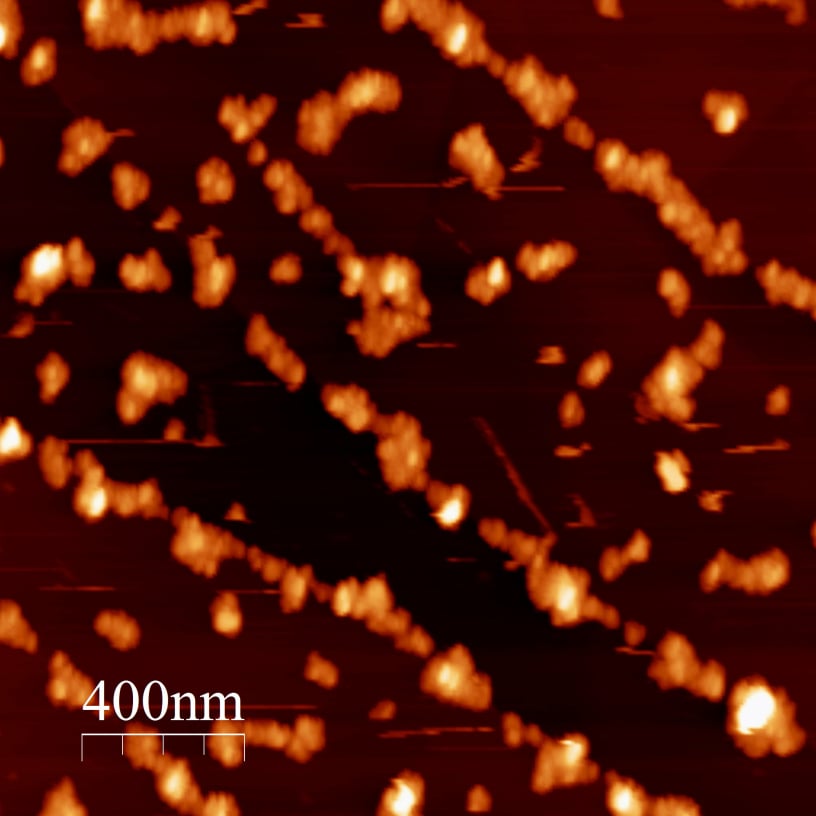
Self-assembly is a process by which molecules form ordered structures without external intervention. This intriguing phenomenon is currently being exploited in the synthesis of new soft materials for various applications. We study the self-assembly of peptide-amphiphile nanostructures. Peptide amphiphiles are molecules that possess a peptide region and a hydrophobic terminal tail. In solution, these molecules can form a variety of self-assembled nanostructures, including spherical micelles, fibers, flat ribbons, and helical ribbons. It has been observed that the morphology of self-assembled nanostructures is crucial in determining the biological activity of amphiphilic peptides.
Our group has developed theoretical methodologies based on statistical mechanics to predict the morphology of self-assembled amphiphilic nanostructures as a function of their chemical structure, the composition of the medium (ionic strength and pH), and the presence of encapsulated substances. We collaborate with Prof. Martin Conda Sheridan’s group (University of Nebraska Medical Center, USA) to study peptide amphiphiles experimentally and compare our model’s predictions with measurements obtained using various nanostructure characterization techniques (SAXS, DLS, and TEM and AFM microscopy).

Nanoparticle superlattices (NPSLs) are ordered three-dimensional arrangements (i.e., crystals) of nanoparticles. We can think of these materials as the nanoscale equivalents of atomic crystalline solids, in which each site in the crystal lattice is occupied by a nanoparticle rather than by an ion or an atom. However, the phase behavior of NPSLs is very different from that observed at smaller scales (atomic crystals) or larger scales (colloidal crystals of micrometer-sized particles). Binary NPSLs—that is, supercrystals formed by particles of two different sizes—are particularly interesting due to their intricate phase behavior, which includes supercrystalline structures equivalent to ionic solids (such as MgZn₂ and NaCl) and intermetallic alloys (Cu₃Au, Na₁₃Zn, Li₃Bi, etc.). The behavior of NPSLs is due to their “soft” nature: the organic ligands on the surface of the nanoparticles stabilize certain crystalline phases over others.
Our group seeks to understand the phase behavior of NPSLs using a statistical thermodynamics tool for modeling soft materials known as molecular theory, which explicitly describes the organic ligands on the surfaces of the nanoparticles, as well as the residual solvent molecules in the voids of the superlattice. We compare our theoretical predictions with molecular dynamics simulations (conducted in collaboration with Prof. Alex Travesset’s group at Iowa State University) and experimental observations.

Polymers are promising candidates for solid-state lithium electrolytes due to their low flammability and volatility, ease of processing, and good mechanical properties. Block copolymers, particularly PEO-PS, are a type of polymer electrolyte that has been extensively studied for lithium-ion batteries. Block copolymer molecules contain two immiscible blocks that self-assemble into ordered domains. In PEO-PS, the PEO (polyethylene oxide) selectively dissolves and transports lithium ions, while the PS (polystyrene) provides mechanical stability. These domains can adopt different morphologies, such as lamellar, hexagonal, and gyroid phases, among others.
In collaboration with Prof. Marcus Müller’s group (University of Göttingen, Germany), we developed a simulation methodology to study PEO-PS/LiTFSI under in-operating conditions (i.e., in an operating battery) and at the micrometer length scale. This methodology allows us to predict the material’s conductivity and utilizes single-chain in a mean-field (SCMF) theory, a highly efficient method for simulating large soft-matter systems, which employs a coarse-grained description of the system and approximates non-bonded interactions using a particle/density-field approach. These features greatly accelerate the simulation and enable its implementation in a massively parallel, GPU-accelerated computer code.
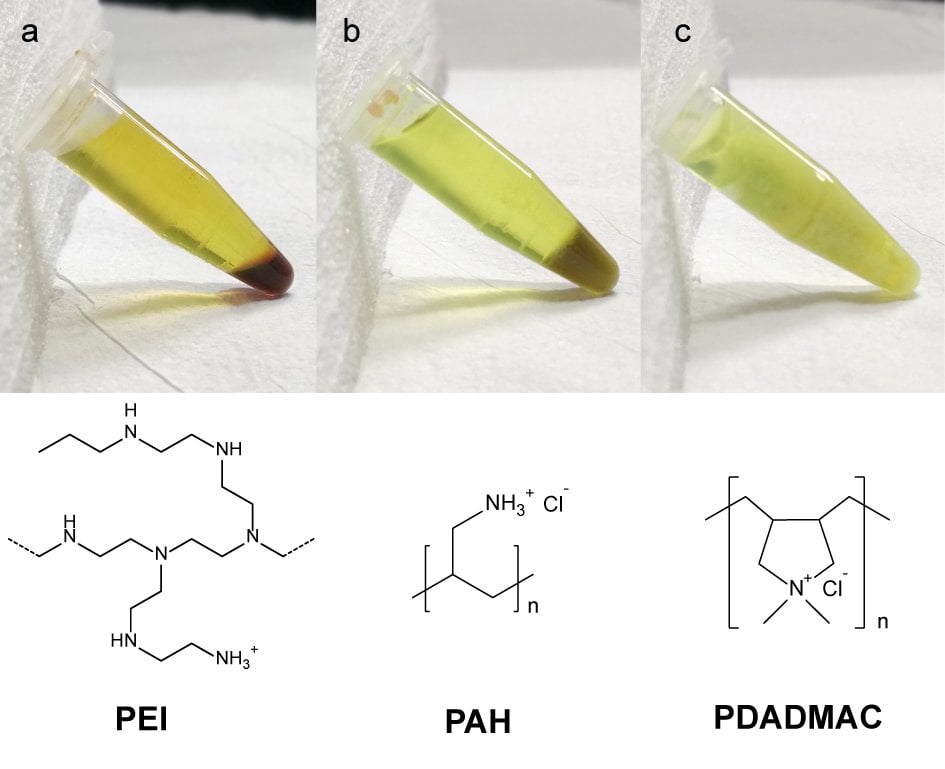
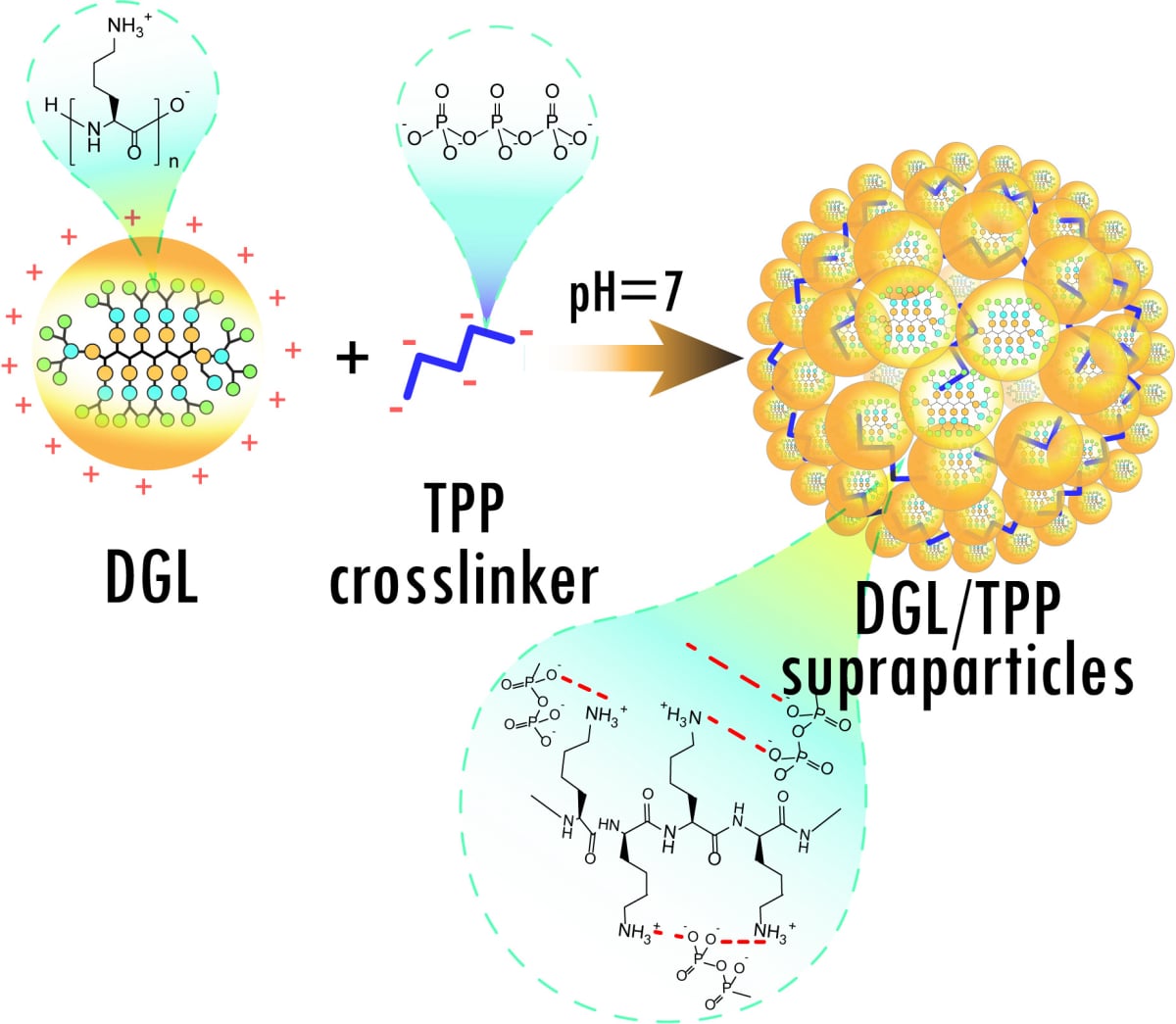
Mixing two oppositely charged polyelectrolytes dissolved in water can lead to a phase separation process, resulting in a polymer-dilute phase and a concentrated phase composed mainly of interpolymer complexes stabilized by noncovalent interactions, known as polyelectrolyte complexes. The physicochemistry of these compounds and the study of the phase separation process have been extensively investigated and remain a focus of attention today. On the other hand, it has also been demonstrated that it is possible to obtain similar compounds not by mixing two oppositely charged polyelectrolytes, but by mixing a polyelectrolyte and a small molecule with sufficient charge (opposite to that of the polyelectrolyte), that is, asymmetric coacervates. Furthermore, by appropriately adjusting the concentrations and molar ratios of the reactants, it is possible to obtain colloidal-type phases formed by a dispersion of nanoscale aggregates similar to membrane-less cells (water-insoluble polymeric droplets capable of internalizing molecules of biomedical interest).
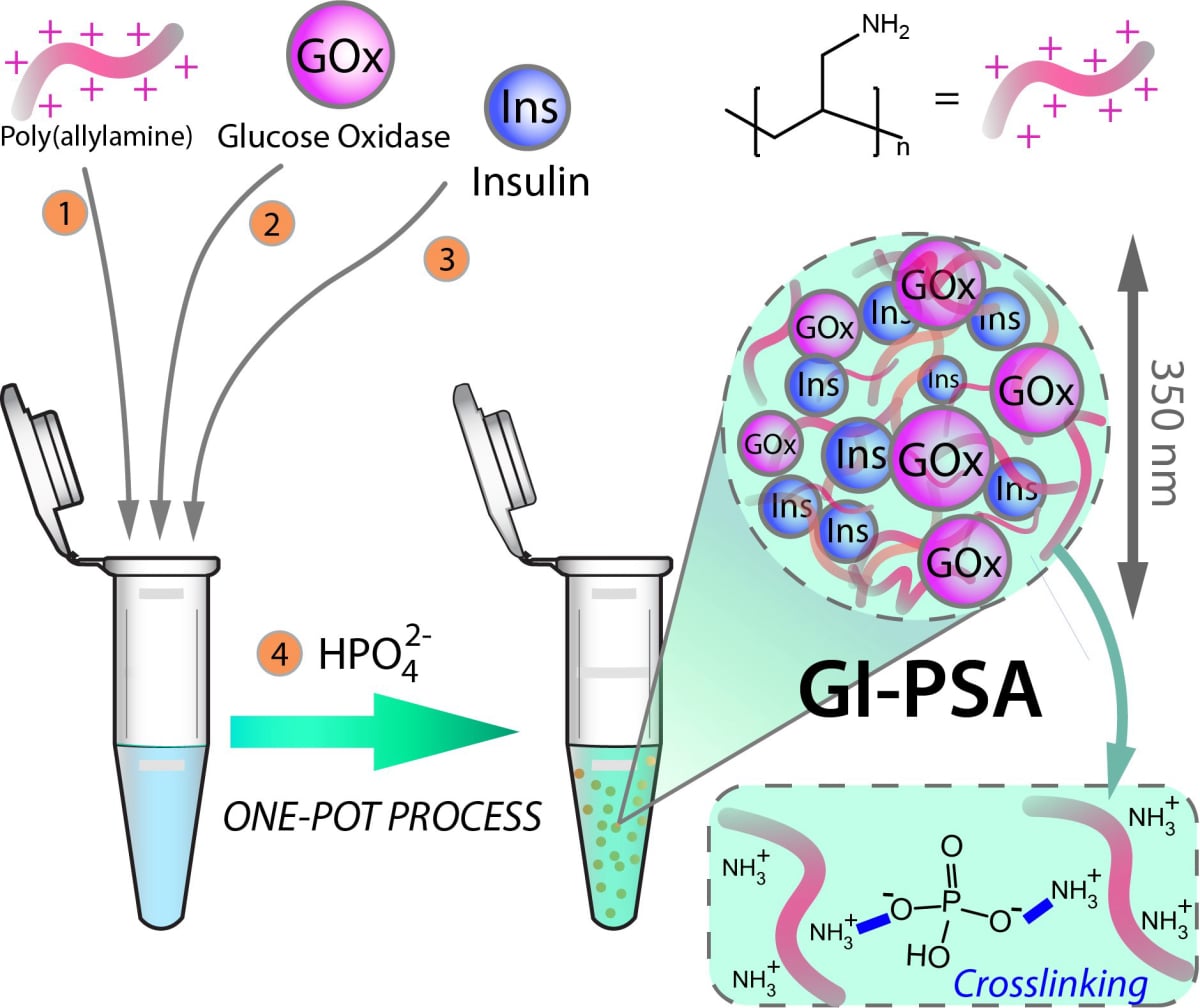
At SIM Group, we are working to understand the physicochemistry behind the phenomenon of phase separation and stabilization in the colloidal phase of these compounds, and we are investigating how this understanding can be used to guide the system to encapsulate macromolecules of therapeutic interest (proteins). In collaboration with Dr. Omar Azzaroni’s laboratory (INIFTA, UNLP), Dr. Guillermo Docena’s laboratory (IIFP, UNLP), and Dr. Maximiliano Agazzi’s laboratory (IDAS, UNRC), we use nanodrops of asymmetric coacervates as bifunctional materials (antigen nanovehicle + adjuvant) in vaccine preparation. Some of the specific applications we are working on include: livestock diseases, SARS-CoV-2, and cancer, among others.

The colonization of biomedical surfaces by bacterial biofilms is a cause for concern, as these microorganisms exhibit greater antimicrobial resistance in biofilms than in liquid cultures. The development of antimicrobial coatings that can be easily applied to complex-shaped medical devices, such as implants and surgical instruments, represents an important and challenging area of research.
In collaboration with Prof. Martin Conda Sheridan of the University of Nebraska Medical Center (USA), we developed methods for preparing antibacterial surfaces through the electrodeposition of cationic amphiphilic peptides. These molecules possess a hydrophobic terminal tail and a positively charged peptide region, which attacks negatively charged bacterial membranes, leading to the elimination of the bacteria.

Under construction...

Free AI Website Software